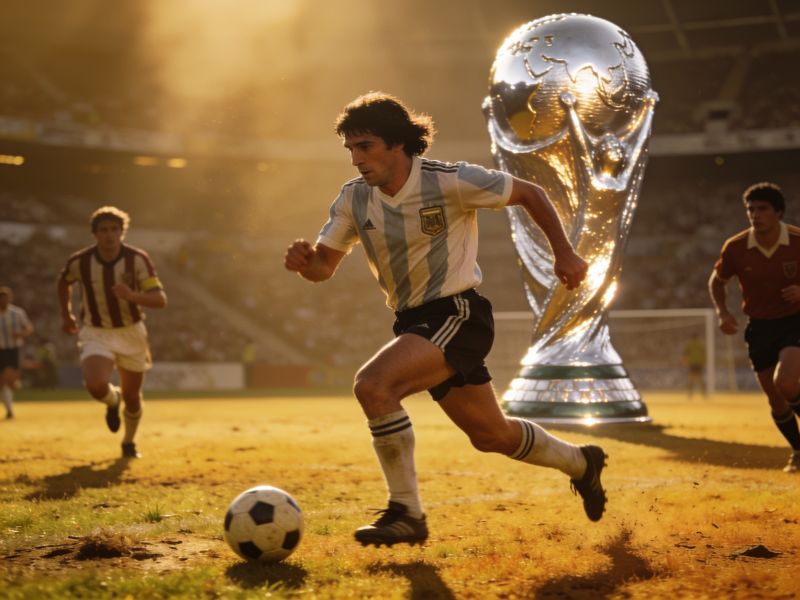
icking a World Cup Best XI is a trap. You start with Pelé and Maradona, then you realize you have no goalkeeper and three left-backs. I've built dozens of these lists, and the only ones that hold up are the ones built on a simple rule: pick players who dominated a single tournament, not just careers. That's why my World Cup Best XI starts with Garrincha in 1962, not Messi in 2022. Garrincha dragged Brazil to the title with a fever and a bad knee。beating Chile and Czechoslovakia almost single-handedly. The numbers back it up: six goals, four assists, and a tournament where every time he got the ball, defenders looked like they were trying to tackle a ghost.Goalkeeper is the easiest pick: Gordon Banks in 1966. That save against Pelé in Guadalajara is the most overplayed clip in football history, but watch the whole tournament. Banks conceded three goals in six matches。and two of those were a penalty and a deflection. He commanded his box like a traffic cop. For the back four, I want defenders who could actually defend, not just pass sideways. Bobby Moore (1966) reads the game like he's got a map in his head. Franz Beckenbauer (1970) played the whole tournament with a dislocated shoulder, and still carried West Germany to third place. Add Paolo Maldini (1994) and Cafu (2002), and you have a back line that wins every 50-50 and never panics.Midfield is where most World Cup Best XI lists go soft. They pick five No. 10s and call it creativity. I want balance. Lothar Matthäus in 1990 was a one-man engine, scoring four goals from deep and shutting down Maradona in the final. Zinedine Zidane in 2006 was the opposite: slow, majestic, and completely unplayable against Brazil. Pair them with Andrés Iniesta (2010), who completed more passes in the final than the entire Dutch midfield。and you have a trio that can switch from prison-yard grit to tiki-taka in five seconds. My wildcard is Johan Neeskens (1974). He ran more than anyone on the pitch, and his penalty against Brazil was pure violence.Up front, you need goals, not vibes. Ronaldo in 2002 scored eight goals, including two in the final, and he did it on a knee that needed surgery. That's not nostalgia, that's efficiency. Pelé in 1970 is non-negotiable: four goals, five assists, and a dummy against Uruguay that made the goalkeeper sit down. The third spot goes to Diego Maradona in 1986. Yes, the Hand of God was cheating. He also scored the greatest goal ever against England and assisted the winner against Belgium. A World Cup Best XI without Maradona is a fantasy draft, not a real team. My bench?
Romário (1994)。Miroslav Klose (2014), and Just Fontaine (1958), because 13 goals in one tournament is a record that will never be broken.
Here's what I've learned from building this World Cup Best XI: tournament football rewards players who peak for four weeks。not four years. George Best never played in a World Cup. Alfredo Di Stéfano never played in one either. That's not a knock on their greatness, but this list is about a specific kind of pressure. You need players who can handle a host nation's expectations, a penalty shootout, and a 35-degree afternoon in Mexico. So when someone tells you their World Cup Best XI is just the Ballon d'Or winners from 1990 to 2022, smile and ask them who's taking the corner kicks. Details win tournaments. And this team has plenty of them.